
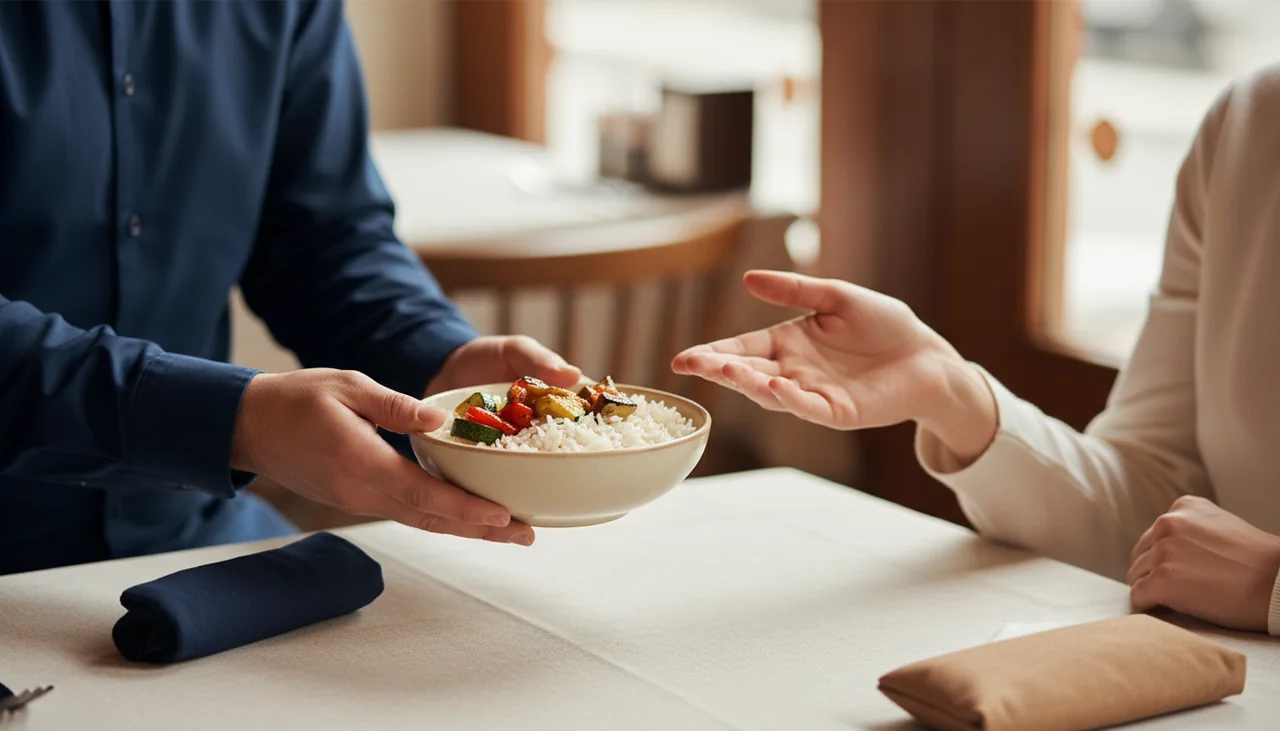
The hard part of travelling with an allergy or food intolerance is not finding food but being able to find out clearly what is in it. When unfamiliar recipes in a different cuisine meet a language gap, communication becomes the most critical piece. The good news: almost all of this preparation can be done at home, before you leave. Once the preparation is done, it becomes possible not to avoid Istanbul's food but to try it with ease.
Preparing before you leave
The aim here is to go with a ready set of tools rather than waiting for things to occur to you on the spot. A written note is far more reliable than explaining in a foreign language on a tired evening.
- Prepare your allergy or the ingredients you need to avoid as a written note in Turkish and keep it on your phone; showing it when needed is quicker than talking
- Keep a printed copy of the note in your bag as well; phone batteries run out
- Learning basic Turkish words helps: süt (milk), yumurta (egg), fındık (hazelnut), ceviz (walnut), yer fıstığı (peanut), Antep fıstığı (pistachio), susam (sesame), buğday (wheat), glüten (gluten), deniz ürünü (seafood)
- If you have emergency medicine, keep it with you and make sure your travel companion knows how to use it
- Carrying prescription medicines in their original box makes checks easier
Ingredients you often meet in Turkish cuisine
Some ingredients can turn up in unexpected places. Knowing them in advance makes it easier to ask the right question and shows you which dishes to watch for when you look at a menu.
- Sesame and sesame paste, or tahini, are common in desserts and meze
- Hazelnuts, walnuts and pistachios are used in many desserts
- Yoghurt and butter are often found in main dishes and meze
- Wheat is found in bread and also in many soups and meze
- Meze plates may bring several ingredients together on one plate
Choosing a place and the right question
Where you eat directly affects what you are able to ask. Asking questions at a place with a written menu and at a quiet time is far easier than at a crowded counter.
- Places with an open, written menu make it easier to ask about ingredients
- Asking is harder at busy times; quieter hours allow an easier conversation
- Places with an open kitchen sometimes let you see the preparation
- You can ask about ingredients at street food stalls too; the best thing is to ask without hesitation
"Does it contain X?" is sometimes not enough; cross-contact is a separate matter. Mentioning that foods may touch each other on the same counter or in the same oil helps the person you are talking to understand your situation better. If you have a serious allergy, stating it clearly matters more than politeness. Choosing another option instead of eating a dish you cannot be sure about is always a valid decision.
If you have an unexpected reaction
A mild discomfort and a serious allergic reaction are different things, and it is important to know the difference in advance. Difficulty breathing, swelling of the face, tongue or throat, a widespread rash, dizziness or a feeling of fainting are an emergency, and you should not wait to see "whether it passes". In such a case, contact emergency health services without losing time; in Turkey the emergency number is 112.
Saving the location of where you are staying and of the nearest hospital on your phone in advance is quicker than searching at that moment. If you have a known serious allergy, be sure to talk through your plan with your own doctor before the trip; the advice you receive on what to carry and what to do is specific to the person.
In short
Preparation brings freedom here: a ready note in Turkish on your phone and in your bag, a few key words, a good question that also mentions cross-contact, and knowing what to do in an emergency. With these ready, you can explore Istanbul's food without hesitation.